
Why the Audit by Elon Musk’s DOGE Is Causing a Stir
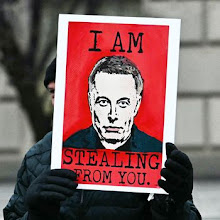
Elon Musk’s so-called Department of Government Efficiency, fondly dubbed DOGE, has made headlines for its erratic approach to supposedly auditing federal operations. But is it really an audit? According to federal auditors with significant experience, the answer is a resounding NO!
Key Points
- Real auditors versus DOGE: Experienced auditors claim DOGE’s efforts lack the methodology of proper government audits.
- The rush in their inspections has led to inaccuracies and a general failure to address fraud correctly.
- DOGE’s swift actions, like canceling thousands of contracts, are often backfiring and might cost the government even more.
The Audit Myth
When Musk initially pitched the idea of DOGE, he spoke of trimming down government spending by targeting waste and fraud. However, what has been happening is troubling. According to experienced auditors, actual audits consist of a rigorous process over several months, including planning, evidence gathering, evaluation, and follow-ups. This is crucial for deriving accurate conclusions.
The auditors noted that, instead of understanding the complexities of taxpayer systems, DOGE appears to be operating in a fog. They don’t have the background or the training necessary to access sensitive areas accurately, which is betraying their lack of details and causing alarm within federal agencies.
Statistics Add Weight
It’s estimated that the government loses between $233 billion and $521 billion annually to fraud. Despite this alarming figure, Musk’s aspirations of cutting the budget by $1 trillion might just be pipe dreams, without a foundational audit.
Opinion & Analysis
Critics are fair in their observation: it seems that Elon Musk’s DOGE is less about genuine oversight and more about dismantling established systems without a clear plan for success. The rushed cancellations of contracts may not only lead to inefficiencies but also trap the government in costly repercussions.
If MUSK’s crew wanted to actually contribute positively, the starting point would be adhering to recommendations made by established auditors. This could help save millions instead of placing more financial burdens on taxpayers.
Summary
In the wild ride that is Elon Musk’s stewardship of DOGE, the real work of government efficiency gains little traction amidst chaos and mismanagement. Audit protocols are not merely hurdle jumps; they are essential practices to ensure accountability and transparency, something that the DOGE team appears to overlook.