






This AI humanizer review dives deep into StealthWriter, a platform designed to rewrite AI-generated text, aiming to make it sound more human and evade AI detection. In the ever-evolving landscape of AI content creation and detection, tools like StealthWriter have emerged to bridge the gap between machine-generated text and the nuances of human writing.
The internet has become a battleground: AI tools generate content, AI detectors flag it, and AI humanizers attempt to bypass those detectors. StealthWriter has positioned itself in this cycle, promising to humanize AI text and reduce AI detection scores, a tempting prospect for students, SEO writers, freelancers, and marketers alike.

StealthWriter’s core promise is simple: take AI-generated content and make it sound more like it was written by a human. This involves restructuring sentences, varying rhythm, replacing synonyms, and adjusting the overall tone. The goal is to overcome the recognizable patterns of raw AI writing, such as repetitive sentence structures and emotionally flat phrasing.
However, it’s crucial to acknowledge the current reality: achieving truly undetectable AI writing is increasingly difficult. AI detection technology is rapidly advancing, making it harder for any humanizer to guarantee complete bypass.

The demand for tools like StealthWriter stems from the inherent limitations of AI writing. While technically accurate, AI-generated text often lacks the emotional depth and nuanced expression of human writing. It can sound robotic, predictable, and lacking in personality. StealthWriter aims to inject that missing human element.
StealthWriter attempts to break those patterns through:

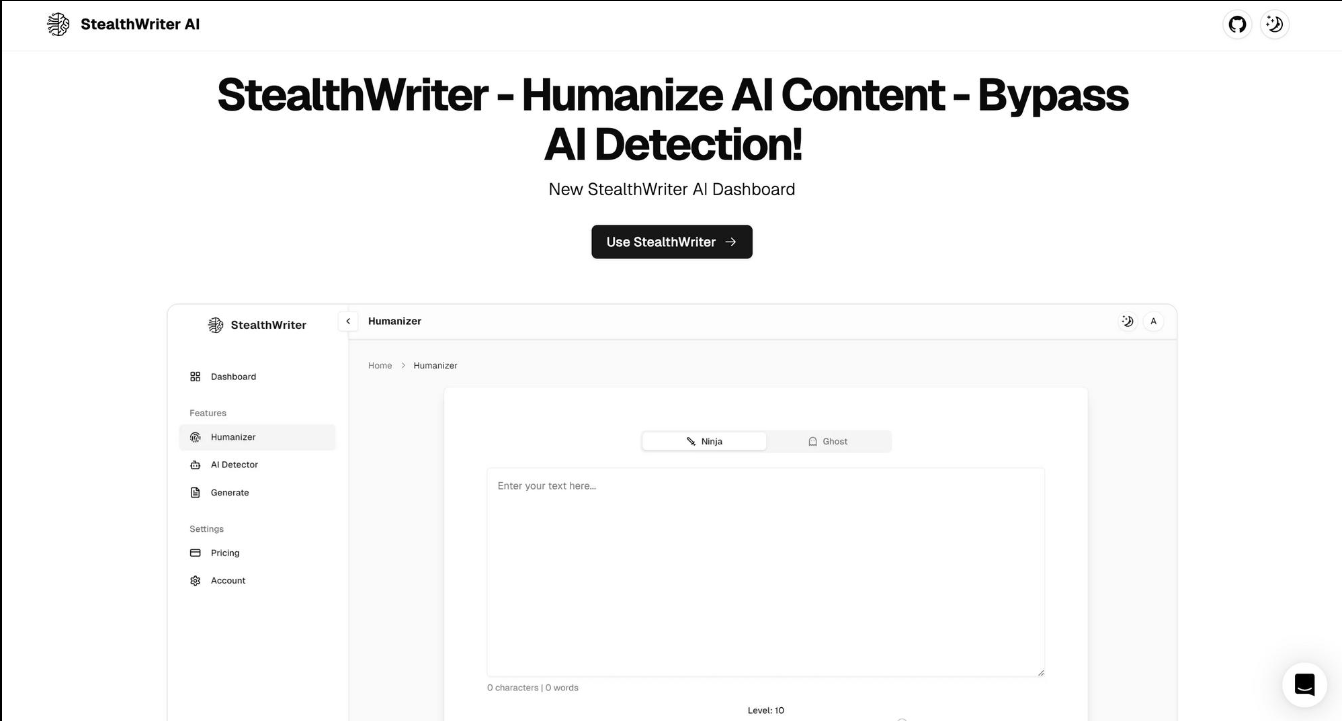
One of StealthWriter’s strengths is its user-friendly interface. The platform simplifies the process: paste your AI-generated content, select a rewrite mode, generate the humanized output, and then run it through AI detection checks. This simplicity makes it accessible to a wide range of users, including students, freelancers, and content agencies.

StealthWriter offers different rewriting modes, such as “Ninja” and “Ghost,” allowing users to control the intensity of the humanization process. This is a key feature, as AI humanization always involves a trade-off. Lighter rewriting preserves readability but may be more easily detected, while more aggressive rewriting reduces AI patterns but can compromise clarity.
While StealthWriter may not always achieve complete AI detection bypass, it often improves the readability and tone of AI-generated content. This is particularly valuable for users who want to reduce the obvious AI tone, enhance audience engagement, and avoid sounding mechanically generated. In these situations, StealthWriter can be a useful tool.
The AI detection bypass landscape is constantly evolving. Modern detectors are increasingly trained to identify humanizer outputs and rewritten AI patterns. Platforms like Originality.ai and newer Turnitin models pose a significant challenge to AI humanizers, including StealthWriter. The era of guaranteed, one-click undetectable AI writing is fading.
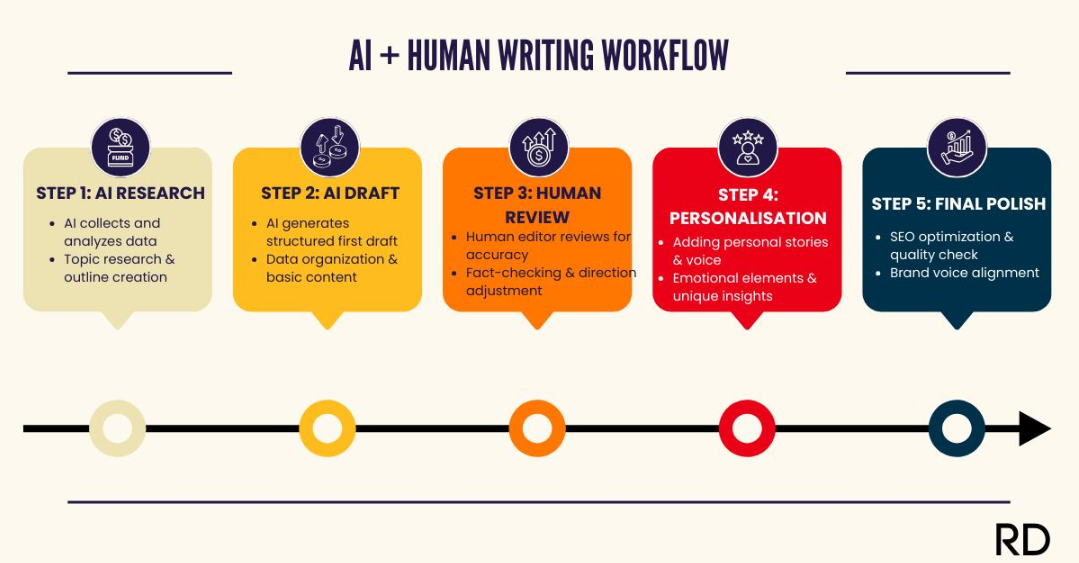
StealthWriter generally produces higher-quality output than many cheaper AI humanizers. It avoids common pitfalls such as broken grammar, bizarre synonym replacements, and awkward sentence structures. The platform performs best when used as an editing assistant rather than a magic bullet for undetectable content.
Reddit discussions about StealthWriter reveal a range of user experiences. Some praise its speed, simplicity, and readability improvements, while others criticize its detector failures, awkward rewrites, and inconsistent bypass performance. This variability reflects the dynamic nature of the AI detection and bypass landscape.
Even with StealthWriter, aggressively rewritten content can still sound artificial or unnatural. Finding the right balance between humanization and readability is crucial to achieving the desired outcome.
While achieving truly undetectable AI writing remains a challenge, StealthWriter can be a valuable tool for improving the readability and tone of AI-generated content. It’s essential to approach it as an editing assistant rather than a guaranteed bypass solution. The platform’s ease of use, adjustable rewriting modes, and generally high-quality output make it a worthwhile option for those seeking to humanize AI text. However, users should be aware of the limitations and continuously test their content against the latest AI detection tools. Ultimately, the effectiveness of StealthWriter depends on the specific use case and the user’s expectations.
Reviews
There are no reviews yet.