Aqara smart home ecosystem: Unifying Your Smart Home Experience
The Aqara smart home ecosystem offers a compelling solution to the common problem of smart home fragmentation. Many smart homes falter not because of technological limitations, but because various devices fail to work together seamlessly.
You’ve likely encountered this scenario: a smart bulb here, a smart lock there, a camera in another room. Each device demands its own app, its own hub, and operates within its own isolated ecosystem. This often leads to a “smart home” that feels anything but intelligent, with different devices compatible with different platforms like Alexa, Apple Home, or proprietary apps.
This pervasive issue of smart home integration issues is precisely why many homeowners abandon their smart home aspirations. The Aqara smart home ecosystem was designed from the ground up to address this challenge head-on.
Addressing Smart Home Fragmentation Solutions
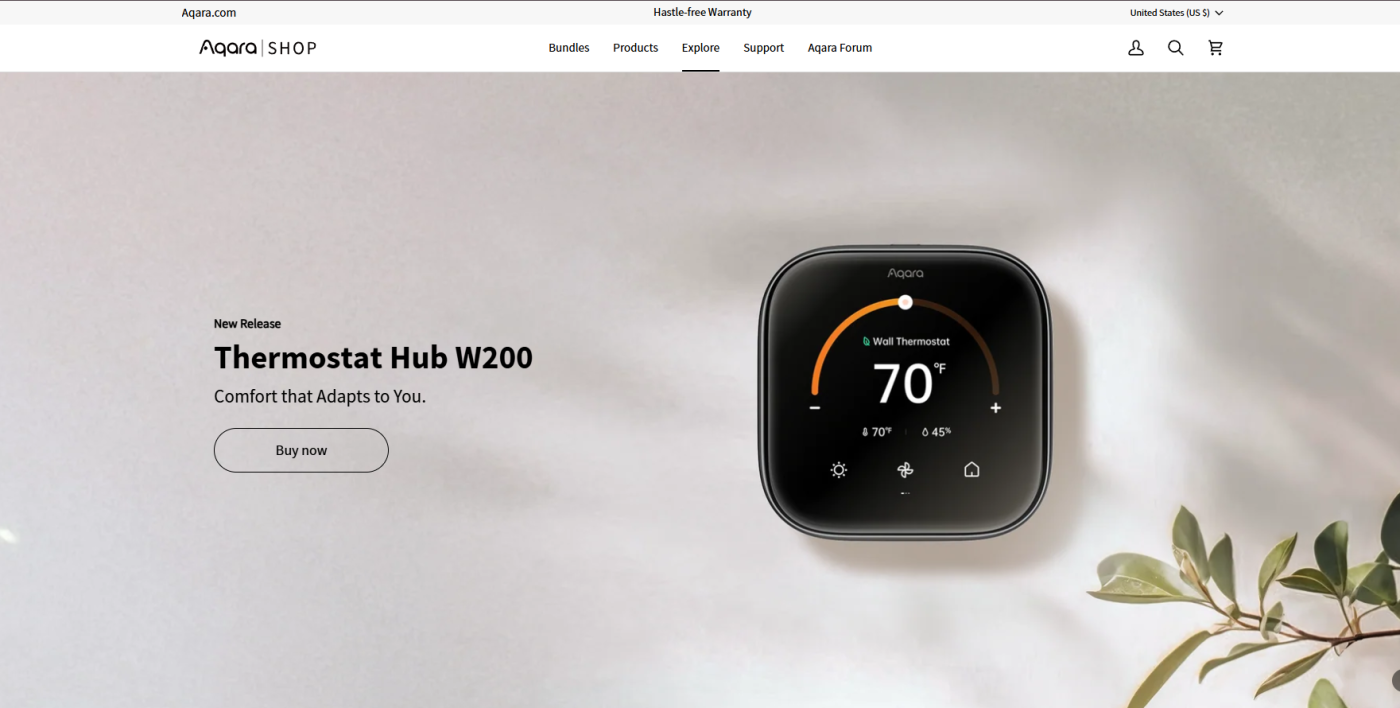
Instead of offering isolated gadgets, Aqara focuses on creating a comprehensive and unified smart home platform. Their extensive product line includes smart sensors, locks, cameras, switches, presence detectors, thermostats, and lighting, all designed to integrate within the Aqara smart home ecosystem.
Aqara has grown into a global leader, boasting over 56 million activated devices and more than 2,200 products across 50+ categories. Crucially, Aqara compatible devices work with major platforms such as Apple Home, Google Home, Amazon Alexa, SmartThings, and Matter, providing robust smart home fragmentation solutions.
The true measure of a smart home system lies not just in its impressive hardware, but in its ability to simplify and enhance the user experience. This analysis delves into how the Aqara smart home ecosystem achieves this, examining its product lineup, automation capabilities, and overall value for homeowners.
Aqara’s Unified Smart Home Platform Strategy
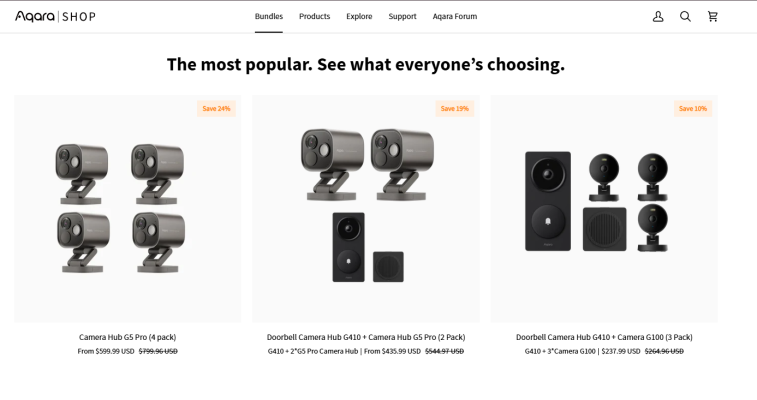
Aqara’s journey began with Shenzhen Lumi in 2009, leading to the launch of the Aqara brand in 2016. Unlike many smart home startups, Aqara’s strength lies in its ecosystem strategy rather than just individual products. While competitors often focus on specific categories like cameras or lighting, Aqara prioritizes automation.
The core vision of the Aqara smart home ecosystem is to ensure every device works together harmoniously. Imagine arriving home: a door sensor detects your presence, the hallway light illuminates, the thermostat adjusts, the camera switches to privacy mode, and the smart lock disarms security automations—all automatically. This level of seamless integration is what makes Aqara one of the best smart home systems.
Achieving this vision requires some initial effort from the user, but the payoff in convenience and efficiency is substantial. Aqara’s commitment to a unified smart home platform is evident in its comprehensive approach to device compatibility and automation.
The Power of Aqara Compatible Devices: Smart Sensors
Smart sensors are arguably the strongest category within the Aqara smart home ecosystem and are often underestimated by new smart home users. While many focus on “output” devices like lights and speakers, effective automation begins with “inputs.” A smart home cannot react intelligently unless it knows what is happening in its environment.
Aqara offers an incredibly diverse range of Aqara compatible devices in the sensor category, including:
- Door and window sensors
- Motion sensors
- Leak detectors
- Temperature and humidity sensors
- Presence sensors
- Vibration sensors
This broad sensor ecosystem is what truly differentiates a smart home from a collection of remote-controlled gadgets. Without robust sensors, you are merely controlling devices; with them, your house actively responds to its surroundings, offering genuine smart home fragmentation solutions.
Advanced Presence Detection: A Key Smart Home Fragmentation Solution
Aqara’s advancements in presence detection are particularly impressive and address a significant smart home integration issues. Traditional motion sensors have a common flaw: they detect movement, but if you remain still, they assume a room is empty. This often leads to lights turning off unexpectedly while you’re watching TV.
Aqara solves this with products like its FP-series presence sensors, which utilize mmWave technology. This allows for much more accurate occupancy detection than conventional motion sensors, ensuring automation works reliably even when occupants are stationary. Expanding this category with advanced presence detection solidifies Aqara’s position among the best smart home systems.
This technology represents a genuinely transformative step in smart home functionality. It moves beyond simple motion detection to understand true occupancy, leading to a much more intelligent and responsive home environment within the Aqara smart home ecosystem.
Decluttering before you automate? Read our Clutter storage review 2026 for a full-service alternative to renting a storage unit.
Conclusion
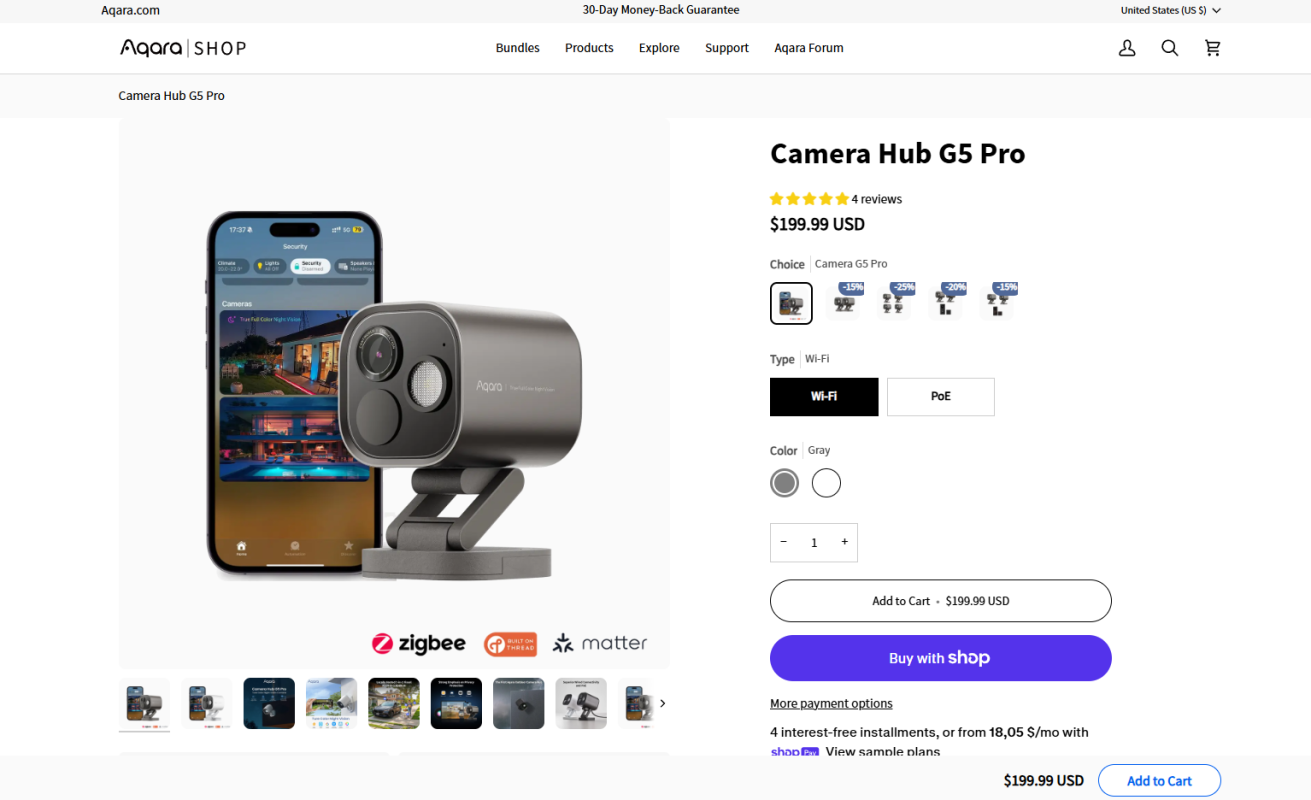
The Aqara smart home ecosystem stands out as a powerful and comprehensive solution for anyone looking to unify their smart home experience. By prioritizing integration, offering a vast array of Aqara compatible devices, and focusing on sophisticated automation, Aqara effectively tackles smart home fragmentation issues.
Its robust sensor lineup, particularly the advanced presence detection technology, transforms a collection of smart gadgets into a truly responsive and intuitive home. For those seeking a reliable and expansive unified smart home platform, Aqara presents one of the best smart home systems available today, delivering on the promise of an intelligent living space.