Do3D Review: The Ultimate Guide to 3D Print Cosplay Files
Our comprehensive Do3D review reveals why this platform has become a dominant force in the 3D print cosplay community. With an overall rating of 8.4/10, Do3D offers a compelling solution for cosplayers looking to bring their favorite characters to life. Imagine paying around $20 for a high-quality STL file, rather than $300 for a finished helmet. This shift has revolutionized how enthusiasts approach costume creation.
A decade ago, crafting an Iron Man helmet, Mandalorian armor, or a Batman cowl demanded extensive foam work, fiberglass, and numerous failed attempts. Today, a reliable 3D printer and the right cosplay STL files can drastically cut down this effort. However, finding truly high-quality files remains a significant challenge for many beginners.
Many online marketplaces are plagued by low-detail models or present beautiful renders that prove impossible to print. This is where Do3D aims to stand out. Over recent years, Do3D has emerged as a leading name in the cosplay STL industry, providing thousands of printable designs inspired by popular culture.
Yet, popularity doesn’t guarantee quality. The crucial question isn’t about Do3D’s extensive catalog, but whether its files justify their cost, especially when considering Do3D alternatives like Gambody, CGTrader, Etsy sellers, and independent designers. This Do3D review will explore the platform, product library, community feedback, pricing, and competitive landscape to help you make an informed decision.

Do3D’s Niche: Specializing in 3D Print Cosplay
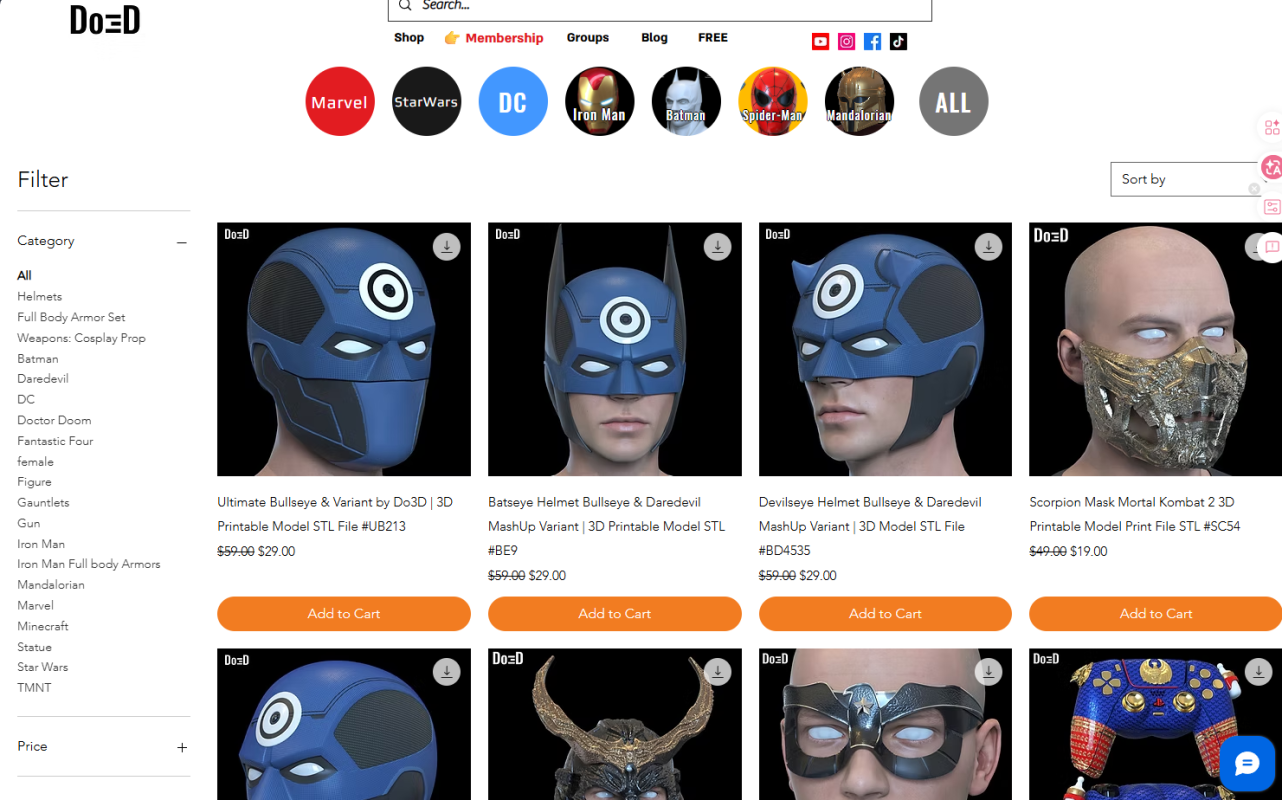
Unlike many general STL marketplaces that cater to miniatures or engineering parts, Do3D has carved out its reputation by focusing specifically on 3D print cosplay. The platform’s library is heavily weighted towards essential costume components. You’ll find a vast array of helmets, intricate armor pieces, movie props, anime accessories, and gaming weapons.
Do3D’s catalog spans major franchises from film, gaming, comics, and anime. What truly sets Do3D apart from smaller STL sellers is its scale. The company doesn’t just sell individual files; it has developed an extensive membership ecosystem, offering access to large collections of designs through various subscription plans.
This positions Do3D uniquely in the market. While most STL sellers operate like individual artists, Do3D functions more as a content platform. This distinction is vital, as buyers are often investing in access to an entire library, not just a single helmet file.
Product Deep Dive: The Importance of Catalog Size for Cosplay STL Files
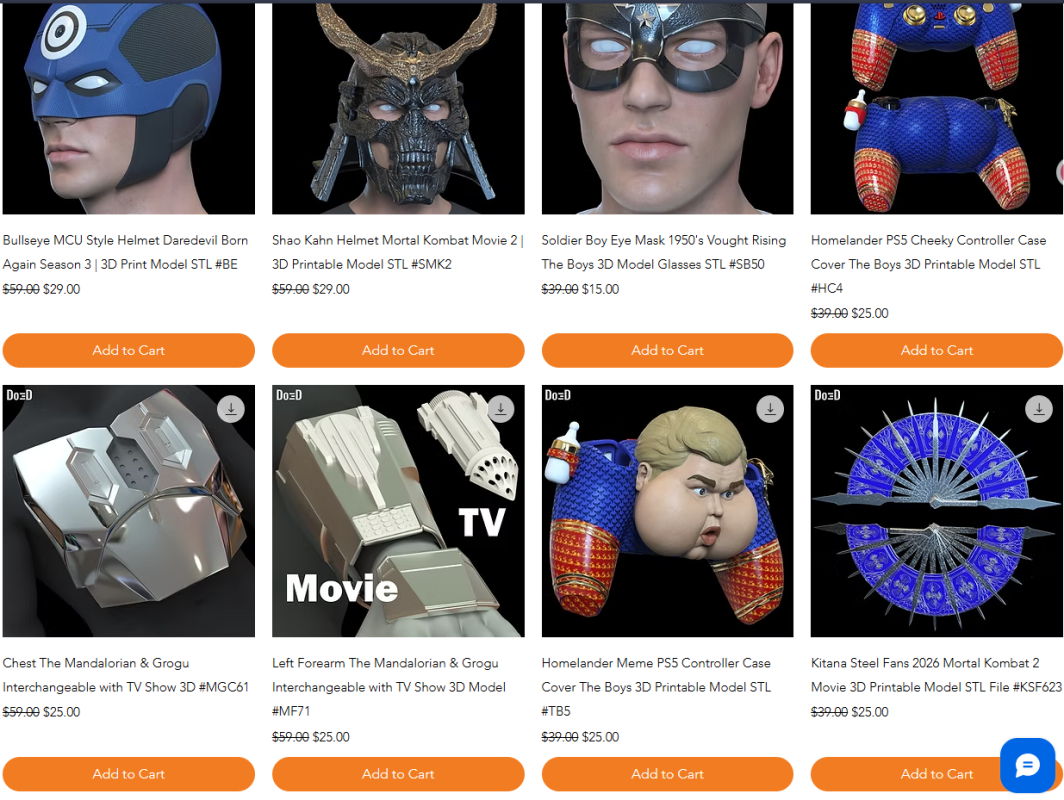
Most users discover Do3D while searching for a specific character’s costume, such as Iron Man, Batman, Deadpool, Mandalorian 3D print armor, One Piece props, or Star Wars helmets. A quick Google search often leads them to Do3D, where the designs appear incredibly detailed.
One of Do3D’s most significant strengths is the sheer breadth of its catalog. The company consistently releases new designs, keeping pace with current pop-culture trends and major entertainment launches. This rapid content creation is a huge advantage for cosplayers.
While many independent designers focus on a limited number of projects, Do3D often becomes one of the first places fans can find printable versions of newly popular characters. For cosplayers eager to build trending costumes quickly, this extensive and up-to-date library is incredibly valuable.
Printability: The Key Feature for Best Cosplay 3D Models
While many STL marketplaces prioritize aesthetics, experienced makers understand that printability is paramount. This is where beginners frequently make costly errors. A model can look stunning in a render but be utterly impractical for real-world printing.
The best cosplay 3D models typically feature logical part separation, printer-friendly geometry, clear assembly planning, reasonable support requirements, and careful consideration for wearable scaling. Printing is only half the battle; post-processing often consumes more time.
The most skilled STL designers understand these nuances. In this regard, Do3D generally outperforms many random marketplace sellers, which contributes to its loyal customer base. However, it’s important to note that quality can vary between different projects, so buyers should manage their expectations.
Do3D Review: Membership Plans – Genius or Overkill?
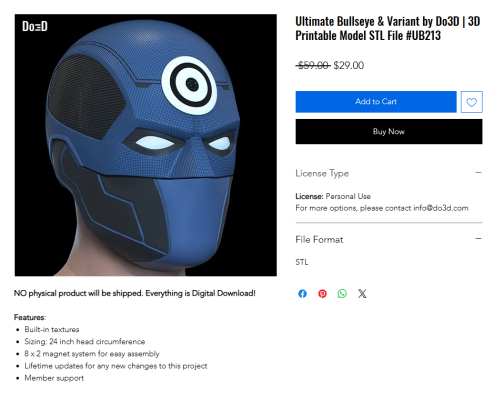
A distinctive feature highlighted in this Do3D review is its subscription model. Instead of buying each file individually, users can opt for plans that grant access to curated monthly selections and discounts on additional models. On paper, the value proposition seems impressive, with some plans offering 10, 15, 20, or even 25 models monthly, depending on the tier.
However, a critical question arises: do you truly need that many files? For professional makers who sell printed products, the answer might be yes. But for hobbyists who build only a couple of costumes per year, such extensive access might be overkill. Many buyers tend to overestimate the practical value of these subscriptions.
Accessing hundreds of files sounds exciting, but actually printing hundreds of files is an entirely different undertaking. Consider your actual usage before committing to a high-tier plan.
Commercial Printing Rights: A Game Changer for Makers
This aspect makes Do3D particularly appealing for many users. Several membership tiers include the right to sell physical prints derived from the purchased designs, while strictly prohibiting the redistribution of the digital files themselves. This is a significant advantage for growing businesses.
A rising number of makers operate small Etsy shops, convention booths, and custom-print services. For these entrepreneurs, a good STL file isn’t just a purchase; it’s inventory. The ability to legally sell printed products can dramatically alter the economic viability of their operations. For commercial users, this may be one of Do3D’s strongest selling points and a key differentiator from other Do3D alternatives.
Real-World Performance and Community Feedback
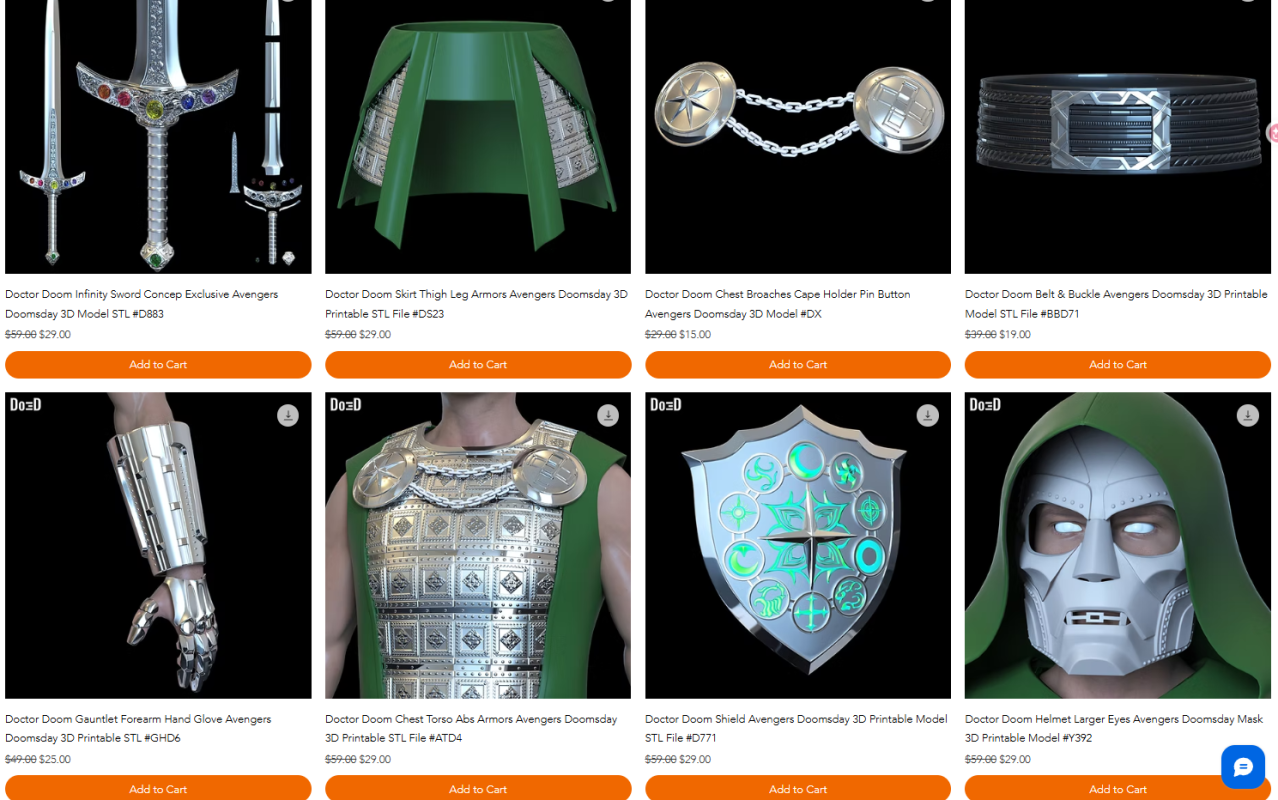
In this Do3D review, it’s interesting to note the polarized nature of community feedback. Many makers proudly showcase successful builds using Do3D files, including highly detailed helmets and armor projects that look impressive upon completion. These examples demonstrate the platform’s potential for creating stunning 3D print cosplay.
Conversely, some experienced cosplayers occasionally point out accuracy issues or quality inconsistencies in certain designs, especially when comparing them to premium specialist creators who focus on a single franchise. This variation in quality across projects is an important consideration for potential buyers.
Cosplay files need a printer with the build volume to match them. Our Anycubic review looks at the Kobra 3 Max, whose 420 × 420 × 500 mm³ chamber handles prop- and armour-scale prints in one piece.
Conclusion: Is Do3D Right for Your Cosplay Journey?
After a thorough Do3D review, it’s clear that the platform offers a compelling solution for 3D print cosplay enthusiasts, particularly those seeking a vast library of designs and, for commercial users, the ability to sell prints. Its extensive catalog and consistent updates make it a go-to source for trending character models and cosplay STL files.
While quality can vary between individual models, Do3D generally delivers printable files that are superior to many generic marketplace offerings. The membership model, while potentially overkill for casual hobbyists, provides immense value for prolific makers or those with commercial aspirations. For anyone serious about creating impressive Mandalorian 3D print armor or other complex costumes, Do3D warrants strong consideration, even when evaluating Do3D alternatives.