👗 Ninety Percent Sustainable Fashion: Redefining the Value of Your Wardrobe
Sustainable fashion has a branding problem. Almost every ethical clothing brand claims to be responsible, but the details often blur behind vague marketing. That’s why Ninety Percent sustainable fashion stands out—it’s built around measurable impact. If you’ve been searching for a sustainable minimalist wardrobe, this label offers a refreshingly honest path.
Almost every brand claims to be:
- Ethical
- Responsible
- Transparent
But when you look closer, the details often blur.
👉 Vague sourcing
👉 Selective transparency
👉 Marketing that sounds better than it proves
That’s why genuinely different brands stand out quickly—and Ninety Percent is one of them.
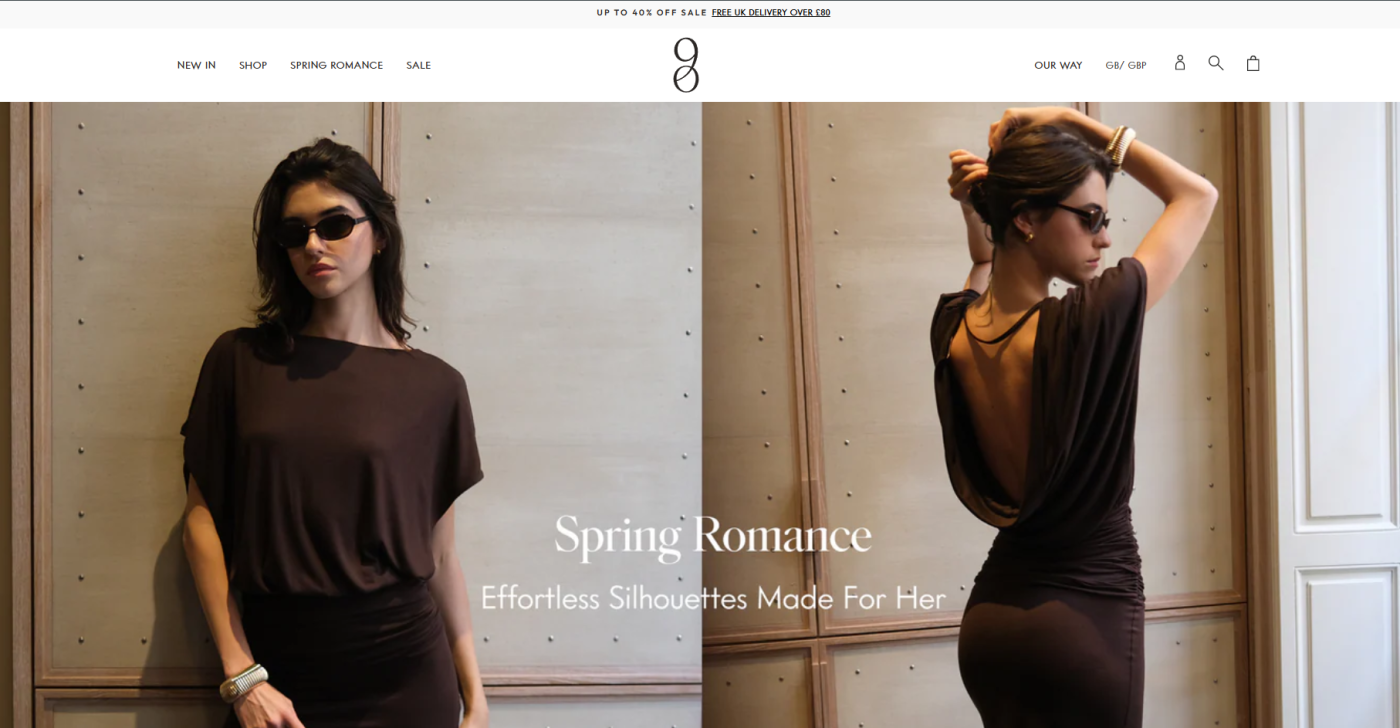
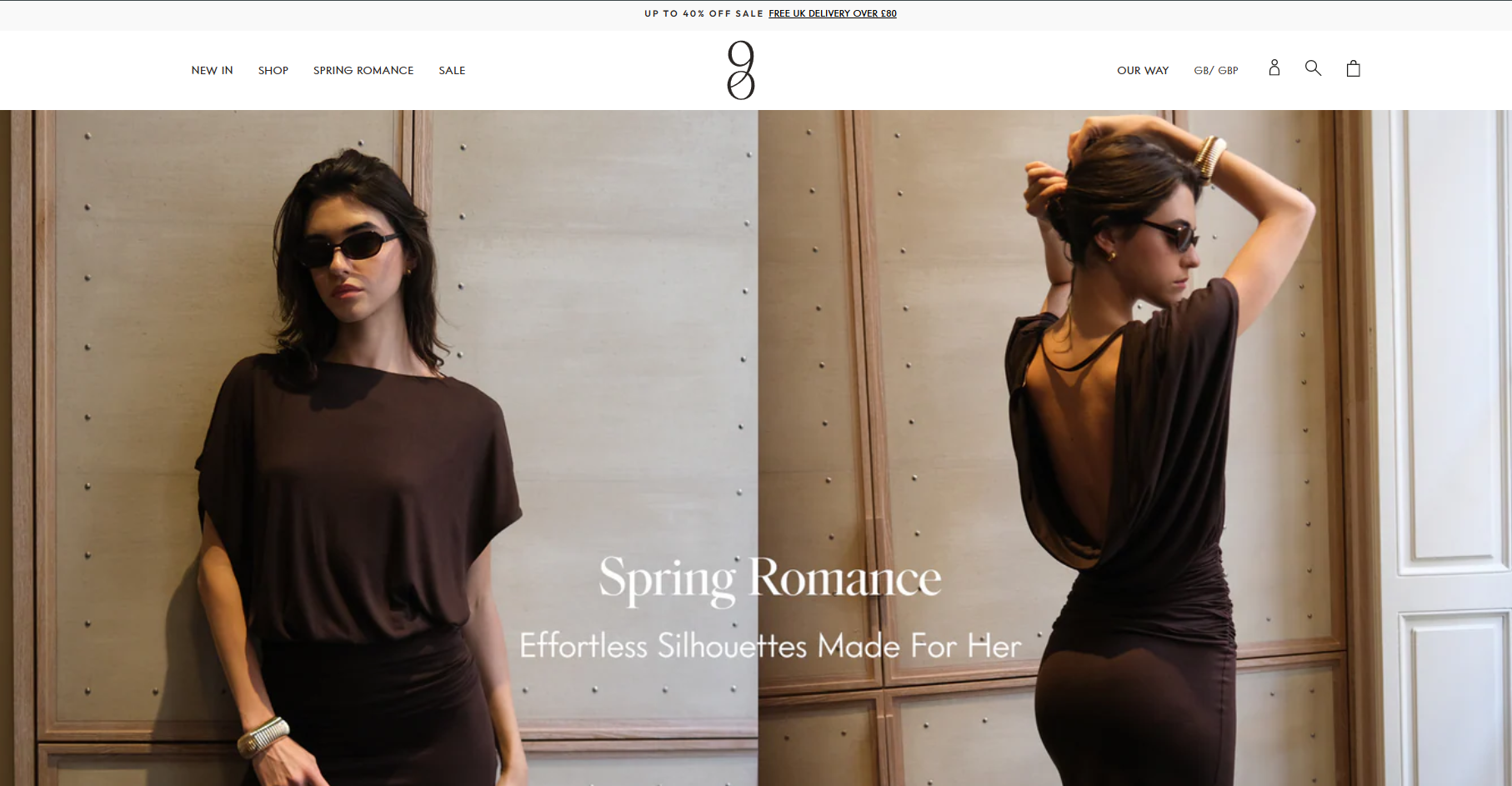
At first glance, Ninety Percent looks like a typical modern fashion label:
Clean website
Minimalist design
Neutral color palettes
But behind that simplicity is a much stronger positioning:
👉 a brand built around measurable impact, not just messaging
🧠 What Ninety Percent Actually Does
Ninety Percent is a sustainable fashion brand offering:
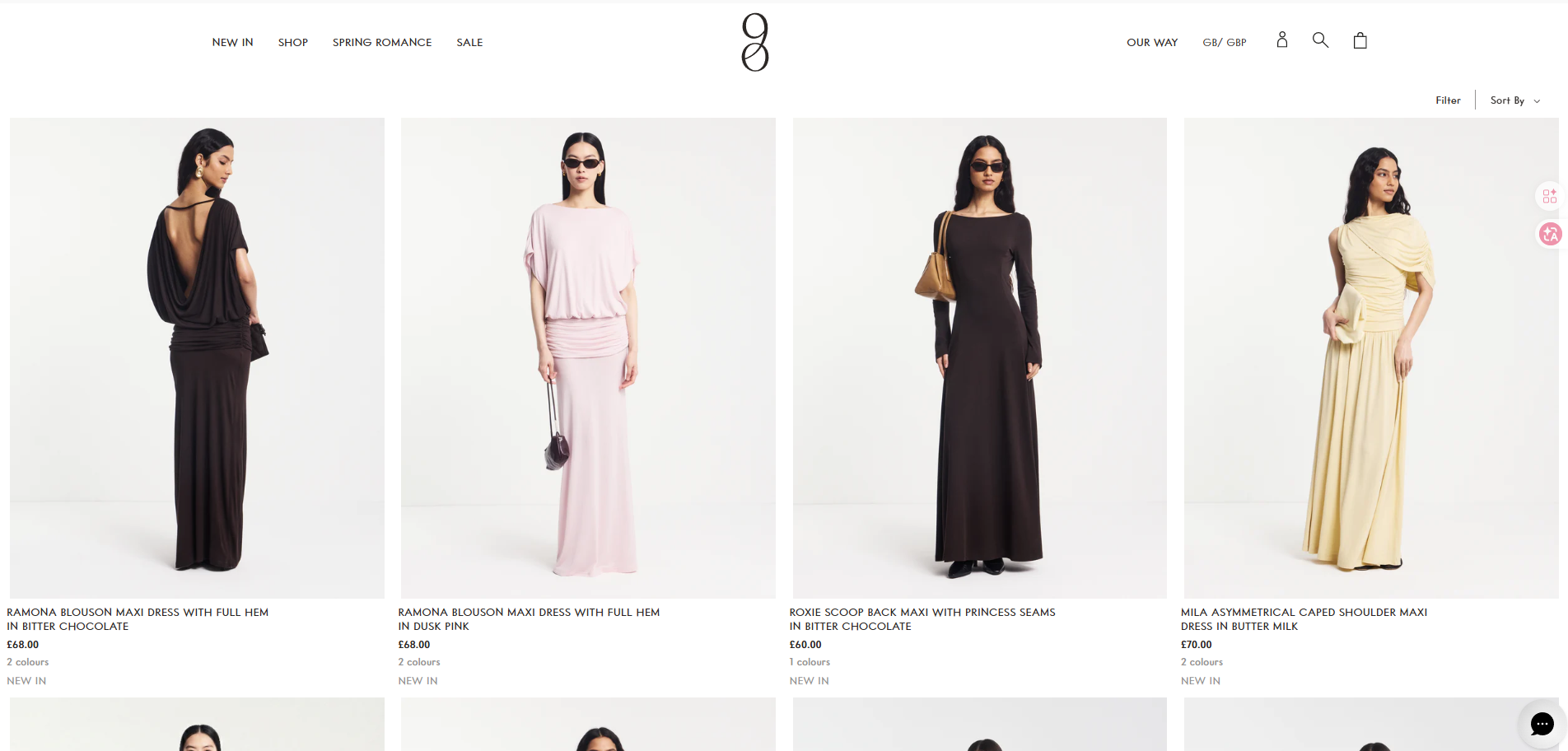
- Everyday clothing (t-shirts, dresses, loungewear)
- Minimalist wardrobe staples
- Seasonless pieces designed for long-term use
But what makes it different isn’t the product category.
👉 It’s the business model behind the brand.
💡 The 90% Profit Sharing Model
The brand’s name isn’t just a catchy title; it represents a revolutionary 90% profit sharing model. By distributing nearly all profits to factory workers and charitable causes, they shift the relationship between consumer and producer. When you invest in their organic cotton essentials, you aren’t just buying a garment—you’re participating in a transparent, value-driven system.
This includes:
- Factory workers
- Charitable organizations
- Community initiatives
Customers are even given visibility—and in some cases, influence—over where contributions go.
👉 This shifts the relationship between brand and buyer.
You’re not just purchasing clothing.
👉 You’re participating in a value-driven system.
🌱 Design Philosophy: Longevity Over Trends
Why do many people ask, “Is Ninety Percent clothing worth it?” The answer lies in their commitment to “Less, But Better.”
-
Timeless Silhouettes: Designed to outlast seasonal trends.
-
Low-Impact Materials: Utilizing Tencel, organic cotton, and eco-friendly dyes.
-
Versatile Basics: Perfect for building a high-quality, slow fashion collection.
The goal is clear:
👉 build a wardrobe that lasts—not one that constantly rotates
This aligns with:
- Reduced consumption
- Lower environmental impact
- More intentional purchasing habits
👉 It’s fashion designed for longevity, not trends.
🧵 Materials and Sustainability Focus
The brand emphasizes:
- Organic cotton
- Low-impact dyes
- Responsible manufacturing practices
Rather than overwhelming users with technical jargon, Ninety Percent keeps its messaging:
👉 simple, clear, and purpose-driven
This approach builds trust—especially in a space where sustainability claims are often overcomplicated or vague.
🎯 Who Ninety Percent Is For
Ninety Percent is not for fast fashion shoppers chasing trends every season.
It’s built for:
- Conscious consumers
- Minimalist wardrobe enthusiasts
- Buyers who value ethics alongside design
- People willing to invest in fewer, better pieces
👉 If you prioritize impact + simplicity,
this brand fits naturally.
🌍 Positioning in the Market
Ninety Percent operates alongside brands like:
But its differentiation is sharper:
👉 profit-sharing transparency
While many brands talk about sustainability, Ninety Percent tries to:
👉 quantify its impact
✅ The Pros: Why It’s a Smart Investment
-
Radical Transparency: They quantify their social impact.
-
Superior Comfort: Their sustainable loungewear feels premium on the skin.
-
Accountability: Customers often have a say in where the charitable funds go.
One of the most compelling advantages is transparency.
Instead of vague claims, the brand:
- Explains its profit distribution model
- Connects purchases to real-world impact
- Builds trust through clarity
👉 This is rare in fashion.
Another major benefit is timeless design.
Products are:
- Minimalist
- Easy to style
- Not trend-dependent
👉 This increases long-term usability.
There’s also strong value in material quality.
By focusing on:
- Organic fabrics
- Responsible sourcing
👉 The brand delivers a more sustainable baseline.
Another advantage is alignment with conscious consumption.
Instead of encouraging constant buying, Ninety Percent:
- Promotes fewer purchases
- Emphasizes longevity
- Supports mindful wardrobes
👉 This resonates with modern sustainability values.
Finally, the brand offers something deeper than clothing:
👉 a sense of participation in ethical impact
And that’s where it stands out most.
❌ Cons of Ninety Percent
For all its strong ethical positioning, Ninety Percent isn’t without trade-offs—and most of them come down to design simplicity, pricing, and product scope.
The most noticeable limitation is design minimalism.
While the brand intentionally focuses on timeless pieces:
- Styles can feel repetitive
- Color palettes are often neutral and restrained
- Limited experimentation with bold or trend-driven designs
👉 Great for basics—but less appealing for fashion variety.
Another factor is price vs perceived value.
Compared to fast fashion:
- Prices are significantly higher
- Differences in appearance may not feel dramatic
- Value depends on how much you care about sustainability
👉 You’re paying for ethics—not just aesthetics.
There’s also the issue of limited product range.
Because of its curated approach:
- Fewer options per category
- Less seasonal variety
- Limited statement pieces
👉 It’s a focused wardrobe—not a full fashion ecosystem.
Sizing and fit can also be inconsistent depending on the item.
Some users may experience:
- Variations in fit across collections
- Limited size inclusivity in certain pieces
- The need for trial and returns
👉 Not uncommon—but worth noting.
Another subtle drawback is availability and restocking.
Because the brand avoids mass production:
- Popular items may sell out quickly
- Restocks can take time
- Size availability may fluctuate
👉 Scarcity is part of the model—but can be frustrating.
There’s also a style identity limitation.
If your wardrobe leans toward:
- Bold trends
- High-fashion statements
- Fast-changing styles
👉 Ninety Percent may feel too restrained.
Finally, there’s the expectation vs reality gap.
The ethical story is compelling—but:
👉 The clothing itself remains relatively simple.
Meaning:
- The “impact” is real
- But the product experience is still about basics
💰 Pricing of Ninety Percent
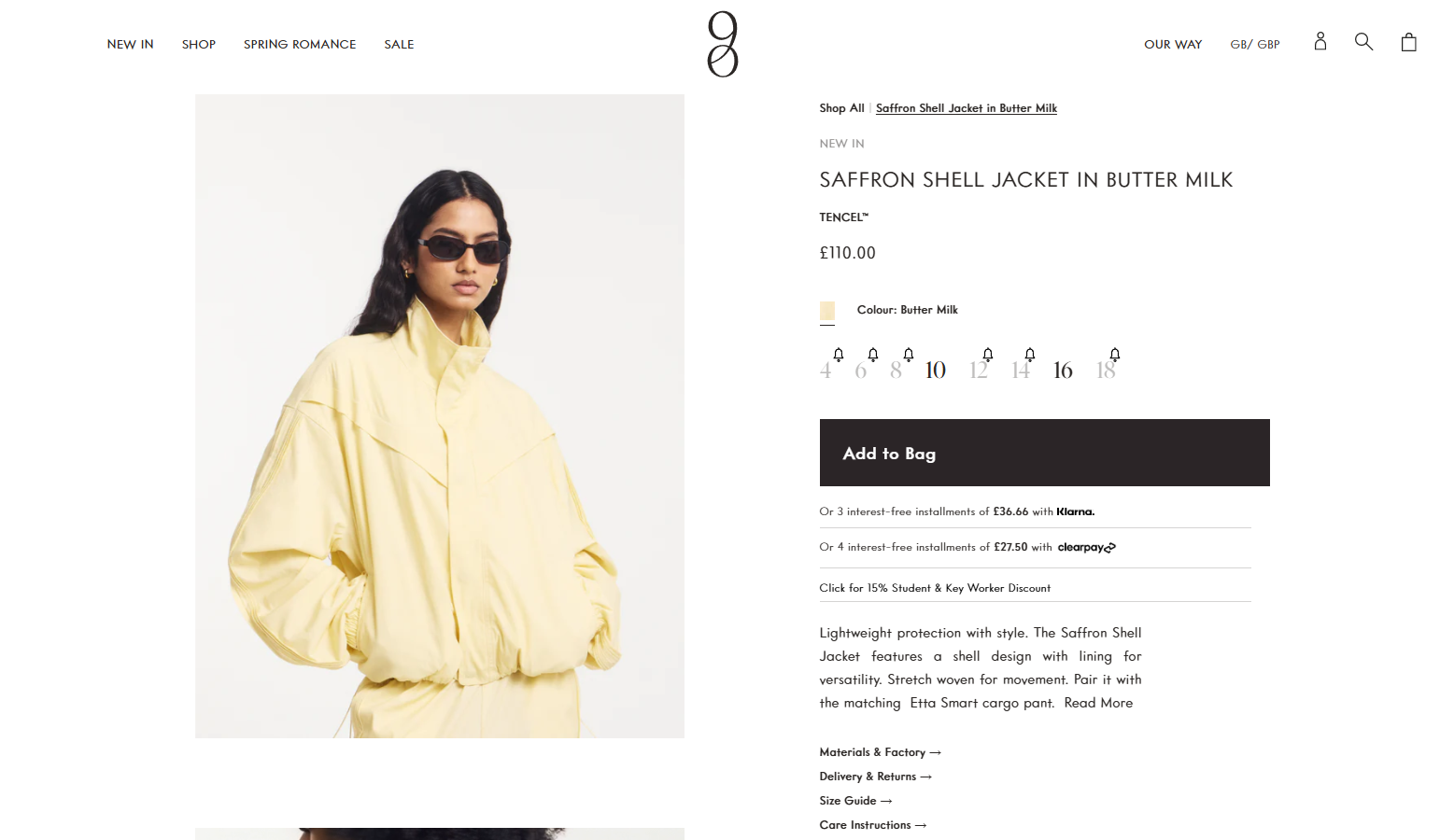
Ninety Percent sits in the mid-to-premium pricing tier, reflecting its ethical sourcing and production model.
Typical price ranges include:
- T-shirts / basics: ~$40 – $80
- Dresses / loungewear: ~$80 – $200
- Outerwear / premium pieces: $150+
🧠 What You’re Paying For
With Ninety Percent, you’re not just paying for clothing.
You’re paying for:
- Ethical manufacturing practices
- Profit-sharing initiatives
- Sustainable materials
- Transparent business model
👉 The value is impact-driven, not just product-driven.
⚖️ Price vs Alternatives
Compared to:
- Fast fashion brands → cheaper, less ethical
- Everlane → similar pricing, less explicit profit-sharing
- Reformation → more trend-focused, often higher priced
Ninety Percent positions itself as:
👉 ethical minimalism with measurable impact
💡 Where It Delivers Strong Value
It’s worth it if you:
- Prioritize sustainability
- Prefer minimalist wardrobes
- Value transparency in brands
- Want purchases to align with personal values
👉 In these cases, pricing feels justified.
⚠️ Where It May Not Be Worth It
It may feel expensive if you:
- Focus on style variety
- Prefer trend-driven fashion
- Don’t prioritize ethical sourcing
👉 The premium may not translate into perceived value.
🧾 Long-Term Perspective
Ninety Percent encourages a shift in consumption:
👉 buy less, buy better
Over time, this can:
- Reduce wardrobe turnover
- Increase product lifespan
- Align spending with values
🧾 Final Pricing Insight
Ninety Percent doesn’t compete on price or trend.
👉 It competes on ethics, transparency, and long-term value.
⭐ Final Verdict: 4.2/5
⭐⭐⭐⭐☆ (4.2/5)
To sum up this look at Ninety Percent sustainable fashion, the brand is a beacon for those who prioritize ethics as much as aesthetics. It’s a perfect fit for the modern, conscious consumer who wants their clothing to reflect their personal values of transparency and global responsibility.
👉 If you value sustainability and simplicity → it’s a strong choice.
👉 If you want variety and trend-driven fashion → you may feel restricted.