Today, creators often have to use a variety of tools to:
Sell products:
- Accept payments
- Run subscriptions
- Manage customers
- Build communities
But is Whop actually worth using, or is it simply another all-in-one platform with more features than most creators need?
QUICK VERDICT
Best for: Creators and online businesses selling digital products, memberships, or subscriptions.
Pricing: Transaction-based. Check current fees before signing up.
Biggest strength: Combines selling, payments, customer access, and marketplace distribution in one ecosystem.
Biggest drawback: The platform may offer more infrastructure than a creator with very simple selling needs actually requires.
Should you use it? Whop is worth considering if you want more than a basic checkout tool. If you simply want to sell a few digital files, a simpler alternative may be easier.
WHAT IS WHOP?
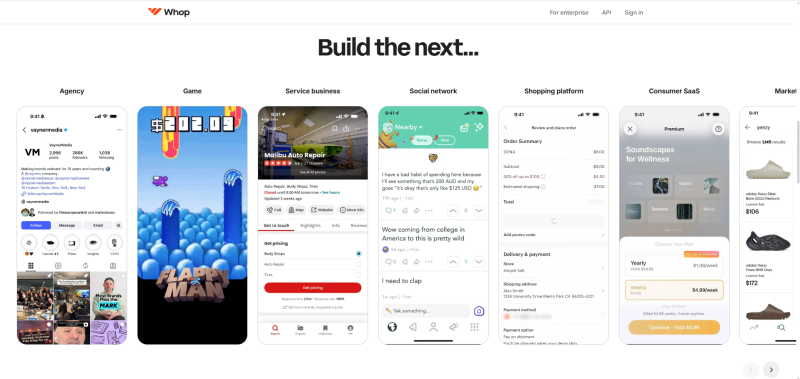
Whop is a platform that helps creators and online businesses sell and manage a wide variety of digital products and online services.
Items that could include:
Digital products
Memberships
Paid communities
Courses
Coaching
Software
Key point: Whop is more than a marketplace. It also provides infrastructure for selling and managing customers.
WHAT CAN YOU DO WITH WHOP?
Sell Products and Subscriptions
- One-time payments
- Recurring subscriptions
- Free products if appropriate
Payments and Checkout
- Payment processing
- Checkout experience
- Selling online
Marketplace
The Whop marketplace is a potential discovery channel.Listing a product does not guarantee traffic or sales.
Affiliate and Business Tools
- Affiliate support
- Customer access
- Business infrastructure
WHOP PRICING — HOW MUCH DOES IT COST?
- Monthly fees
- Transaction fees
- International fees (if applicable)
- Additional fees (if applicable)
Writer note: Whop’s standard pricing is pay-as-you-go with no setup fees or monthly subscription costs. However, the total cost can increase depending on the payment method, international transactions, currency conversion, or optional services used.
| Cost |
Current Pricing |
| Monthly Fee |
$0/month |
| Domestic Card Transactions |
2.7% + $0.30 per successful transaction |
| International Card Fee |
+1.5% |
| Currency Conversion |
+1% when required |
| ACH Payments (US) |
1.5% (maximum $5) |
| Affiliate Processing |
1.25% per transaction |
| Billing |
0.5% per transaction |
| Financing |
15% per successful transaction through financing partners |
Our take: Whop’s $0 monthly cost makes it attractive for new creators and small businesses. However, high-volume sellers should look beyond the headline 2.7% + $0.30 rate and calculate additional costs for international payments, currency conversion, affiliates, or other optional services.
WHOP PROS AND CONS
Pros
✓ Multiple ways to sell online
✓ Supports subscriptions and memberships
✓ Combines multiple business tools
✓ Marketplace distribution
Cons
✗ Fee structure needs careful review
✗ May be more complex than necessary for simple sellers
✗ Marketplace listing does not guarantee customers
WHO SHOULD USE WHOP?
Whop Is Best For:
✓ Digital product creators
✓ Course creators
✓ Coaches
✓ Membership businesses
✓ Paid communities
✓ Online businesses with recurring revenue
Consider Alternatives If:
✗ You only need a simple payment link
✗ You only sell a few digital downloads
✗ You already have a complete ecommerce system
WHOP VS ALTERNATIVES
Whop’s main differentiator is its broader business ecosystem: it combines payments, recurring revenue, hosted experiences such as courses or chats, marketplace distribution, and affiliate tools. Whop advertises a standard starting price of $0/month plus transaction fees.
Gumroad currently charges 10% + $0.50 for direct/profile sales and 30% for sales discovered through its marketplace. Patreon uses a platform-fee model plus applicable processing and other fees, while Shopify uses monthly subscription plans alongside applicable payment or transaction fees.
Quick Comparison Table
| Platform |
Best For |
Pricing Model |
Key Strength |
| Whop |
Creators and online businesses |
$0/month + transaction fees |
Selling, payments, subscriptions, marketplace and business tools in one ecosystem |
| Gumroad |
Simple digital products |
10% + $0.50 direct sales |
Simple setup for creators selling digital products |
| Patreon |
Membership creators |
Platform fee + payment processing fees |
Memberships and creator-fan community |
| Shopify |
Ecommerce businesses |
Monthly subscription + payment/transaction fees |
Full-featured ecommerce store and extensive customization |
Which one should you choose? Whop makes the most sense for creators and online businesses that want payments, subscriptions, customer access, and additional business tools in one platform. Gumroad is generally simpler for selling digital products, Patreon is more focused on memberships and fan communities, while Shopify is the stronger option for businesses building a full ecommerce store.
FINAL VERDICT — IS WHOP WORTH IT?
Suggested Conclusion
Whop is worth considering if you want to sell more than a simple digital download.
It is more suitable when the business needs to:
- Products
- Payments
- Subscriptions
- Customer access
- Marketplace exposure
Visit Whop and check its latest features and pricing before signing up.
FAQ
1. What is Whop?
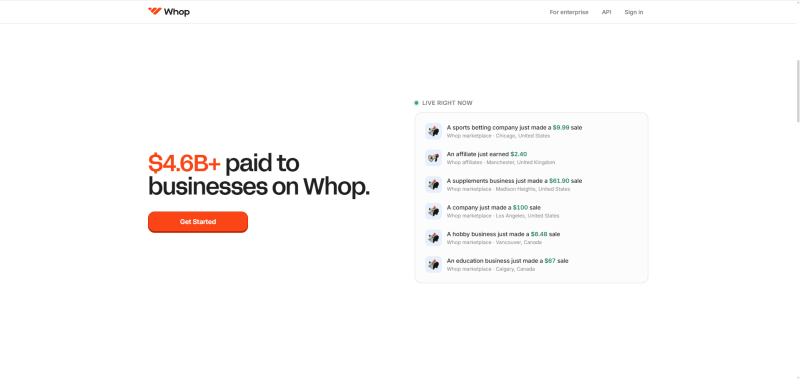
Whop is an all-in-one platform that helps creators and online businesses create, sell, and manage online products and services. It supports storefronts, checkout, payments, community features, a marketplace, and APIs. Whop reports that over $4.6 billion has been paid out to businesses on the platform.
2. Is Whop free to use?
Yes. Whop allows you to use the platform for free, though fees may apply when making sales or using specific services and features. Therefore, “free to use” does not mean that every transaction is free of charge.
3. Is Whop worth it for creators?
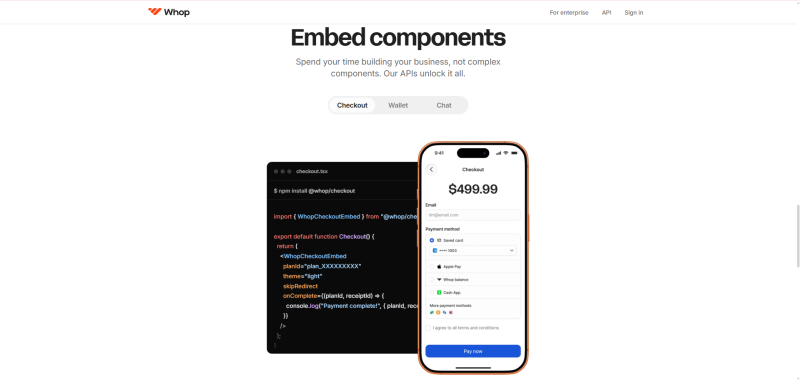
Yes—especially for creators selling digital products, courses, paid communities, services, or software. Its key strength lies in consolidating everything into a single platform—storefront, checkout, payments, community, marketplace, and tools/APIs—saving creators from having to build the entire system themselves.