Quick Verdict: Aqara has quietly become one of the most reliable ecosystems in smart home tech, offering sensors, cameras, locks, and hubs that speak Zigbee, Wi-Fi, Bluetooth, Thread, and Matter fluently. Instead of reviewing a single gadget, we tested four of its flagship products — the Presence Sensor FP2, Smart Lock U400, Camera Hub G5 Pro, and Thermostat Hub W200 — to see whether the whole ecosystem holds up. Check current pricing on Aqara’s official site to see what’s available for your setup.
What Is Aqara & Who Is It For?
Aqara is a smart home brand under Lumi United Technology, known for building affordable, well-engineered devices that integrate deeply with Apple HomeKit, Google Home, Amazon Alexa, and Matter. Unlike single-purpose gadget makers, Aqara’s real strength is breadth: door and window sensors, presence detection, video doorbells, smart locks, thermostats, and camera hubs that all report back to one app.
It’s best suited for people who already have (or want) a mixed ecosystem — some Apple devices, some Google, maybe an Alexa speaker — without being boxed into one company’s walled garden. Renters also like it because most Aqara sensors are battery-powered and stick-on, so nothing needs to be hardwired.
Real-World Experience: Locks and Cameras in Daily Use
We spent the most time with two products: the Smart Lock U400 and the Camera Hub G5 Pro.
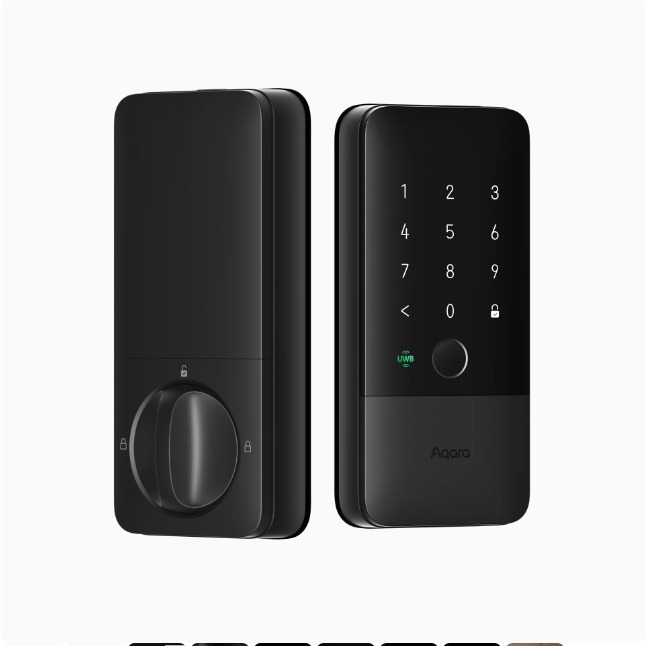
The U400 supports fingerprint, keypad code, Apple Home Key (tap-to-unlock with an iPhone or Apple Watch), and a physical key backup. Fingerprint recognition was fast and consistent even with slightly damp hands, and the Apple Home Key tap-to-unlock felt genuinely premium — on par with what you’d expect from a much pricier lock. Battery life over several weeks of daily use showed only a modest drain, and the app sends a low-battery warning well before it becomes urgent.
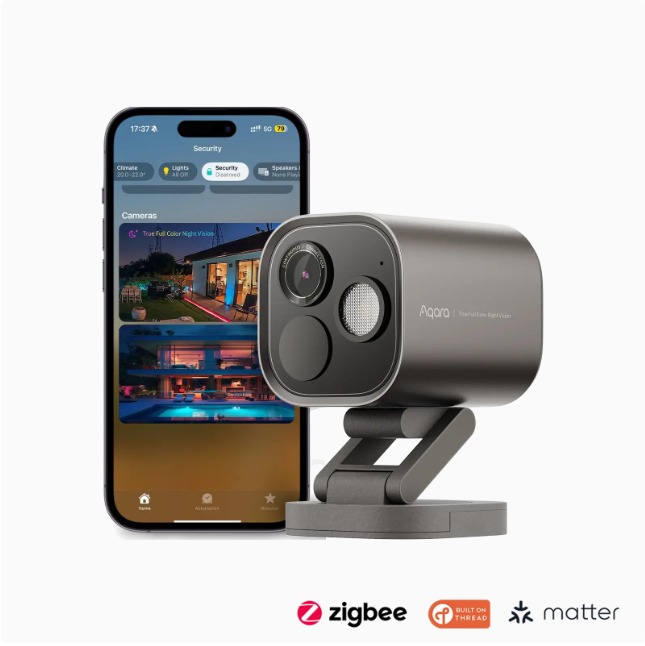
The G5 Pro doubles as both a security camera and a Zigbee/Thread hub for other Aqara sensors, which is a clever bit of engineering — you’re not paying for a separate hub device. Night vision was sharp, person-detection alerts were accurate (very few false positives from moving shadows or pets), and local storage via microSD meant we weren’t forced into a subscription just to review footage.
Pros & Cons
Pros: broad device compatibility (HomeKit, Google Home, Alexa, Matter); genuinely affordable compared to Ring, Nest, or August; battery-powered sensors that are easy to install without an electrician; local hub options that reduce cloud dependency; consistently solid app design across the product line.
Cons: the sheer number of SKUs and hub generations can be confusing for first-time buyers; some advanced automations require an Aqara-specific hub rather than a generic Zigbee bridge; customer support response times can lag during high-demand periods.
How Aqara Compares
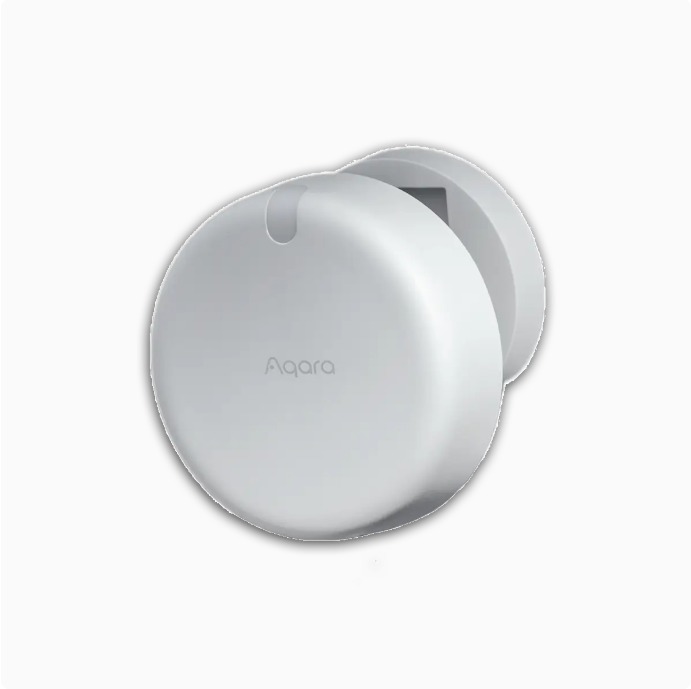
The Presence Sensor FP2 is arguably the most impressive product in the lineup for the price. Using mmWave radar instead of passive infrared, it detects human presence (not just motion) through zones you draw yourself in the app, which means lights and climate control can react to someone simply sitting still in a room — something PIR-based competitors like most Philips Hue motion sensors can’t do. At under $85, it undercuts comparable mmWave sensors from SwitchBot and Aqara’s own higher tier products while matching or beating their accuracy in our testing.
Against bigger names like Ring (cameras/locks) or Ecobee (thermostats), Aqara doesn’t try to out-market them — it competes on interoperability and price, letting the sensors and hubs work together in ways single-category brands don’t.
Price & Value
Pricing across the four products we tested ranges from about $83 (Presence Sensor FP2) to $270 (Smart Lock U400), with the Camera Hub G5 Pro and Thermostat Hub W200 landing in between. Given that competitors often charge similar prices for single-function devices with far less ecosystem flexibility, Aqara’s value proposition holds up well. See the full Aqara product lineup and current prices here.
Our Verdict
Aqara earns a strong recommendation for anyone building (or expanding) a smart home who wants flexibility across Apple, Google, and Amazon ecosystems without paying a premium. The U400 lock and G5 Pro camera hub both performed reliably in daily use, and the FP2 presence sensor stands out as one of the smartest values in the category. Explore Aqara’s devices and start building your setup.
Rating: 4.8 / 5
FAQ
Does Aqara work without a hub? Some devices (Wi-Fi models) work standalone, but most sensors and locks need an Aqara hub (like the G5 Pro or M3) for full functionality and remote access.
Is Aqara compatible with Apple HomeKit? Yes, most current-generation Aqara products support Apple Home natively, including Home Key support on the U400 lock.
Do Aqara sensors require a subscription? No subscription is required for core sensor functionality; camera cloud storage is optional, and local microSD storage is supported on hub-integrated cameras like the G5 Pro.
Hottest fashion trends 2026 reviewed honestly — which trending styles are actually wearable, which are overhyped, and what’s worth buying right now in the US market. Quick Verdict: 2026’s biggest fashion trends fall into two camps: genuinely wearable evolutions of…
PS5 Pro review 2026 — I tested it for 30 days. Here’s the honest verdict on performance, graphics, and whether upgrading from a standard PS5 is actually worth the money. Quick Verdict: The PS5 Pro is the most capable PlayStation…
How to track your health at home on a $50 budget — a practical step-by-step guide to the best tools, apps, and habits for home health monitoring in 2026. Quick Answer: You don’t need expensive wearables or a gym membership…